

Blog, Retail Tips
Why Handicraft Souvenirs for Retail Outperform Generic Items?
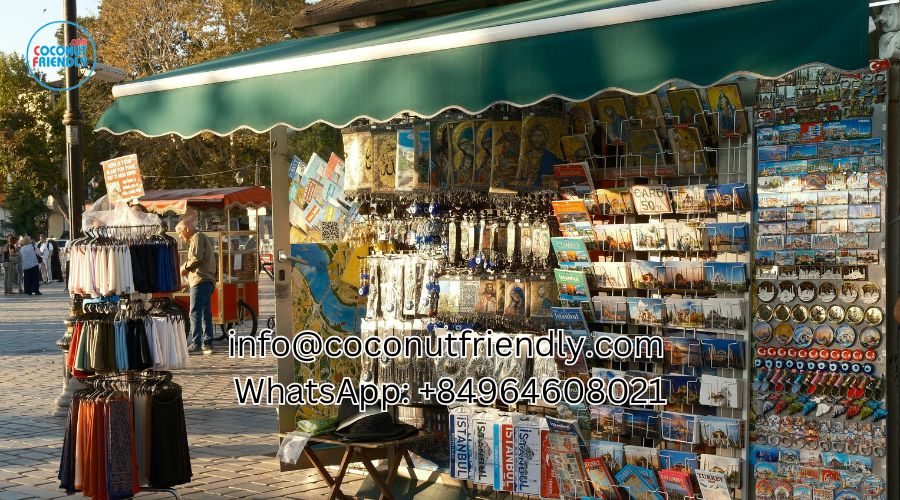
Handicraft Souvenirs for Retail have become one of the most reliable growth categories in the global souvenir industry, especially as traveler expectations continue to evolve. Today’s tourists are no longer satisfied with mass-produced items that could have been bought in any airport or gift shop worldwide.
Instead, travelers increasingly seek souvenirs that feel personal, culturally rooted, and meaningful. Consequently, retailers who shift their product mix toward handcrafted items are not only meeting consumer demand but also strengthening brand identity, improving perceived value, and increasing average order value.
From boutique gift shops to museum stores and hotel retail corners, handcrafted souvenirs consistently outperform generic products when curated and positioned correctly. This article explains why—and how retailers can capitalize on this shift with confidence.
1. Travelers Now Buy Meaning Not Mass Production
Global tourism has entered an era where emotional connection matters as much as physical products. Increasingly, travelers reject plastic or factory-made souvenirs that feel interchangeable across destinations. This shift is driven by a growing demand for authenticity and changing tourist spending habits, where visitors prefer fewer but more meaningful purchases.
According to the UN World Tourism Organization, experience-oriented travelers are more likely to spend on items that reflect local culture and craftsmanship. When a souvenir shows hand-finished details, natural material variations, or visible artisan techniques, it immediately communicates originality and place-specific value.
Furthermore, handcrafted items create trust. Tourists often associate handmade products with honesty, heritage, and cultural respect. As a result, Handicraft Souvenirs for Retail naturally align with modern buying psychology, allowing retailers to differentiate themselves even in crowded tourist zones.

2. Craftsmanship Turns Skill Into Higher Retail Margins
One of the strongest commercial advantages of handcrafted souvenirs lies in their ability to command premium prices. While generic items compete mainly on cost, handcrafted products compete on high perceived value, allowing retailers to achieve significantly higher profit margins.
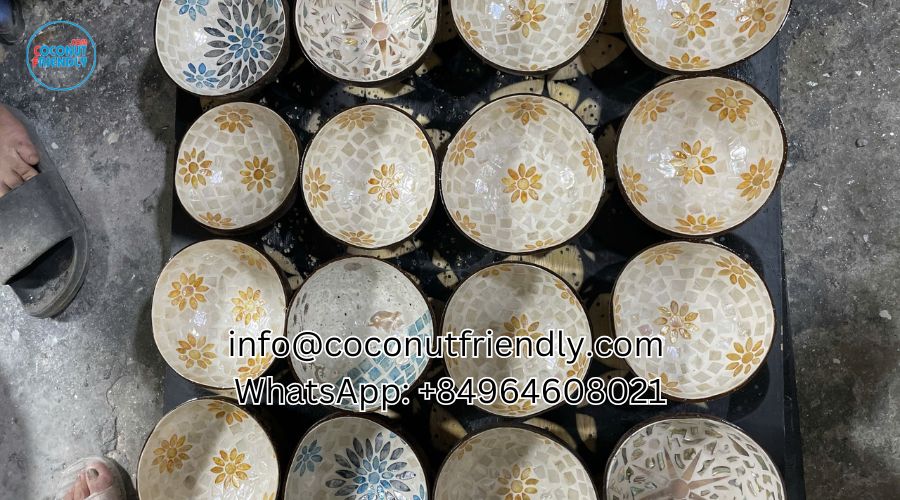
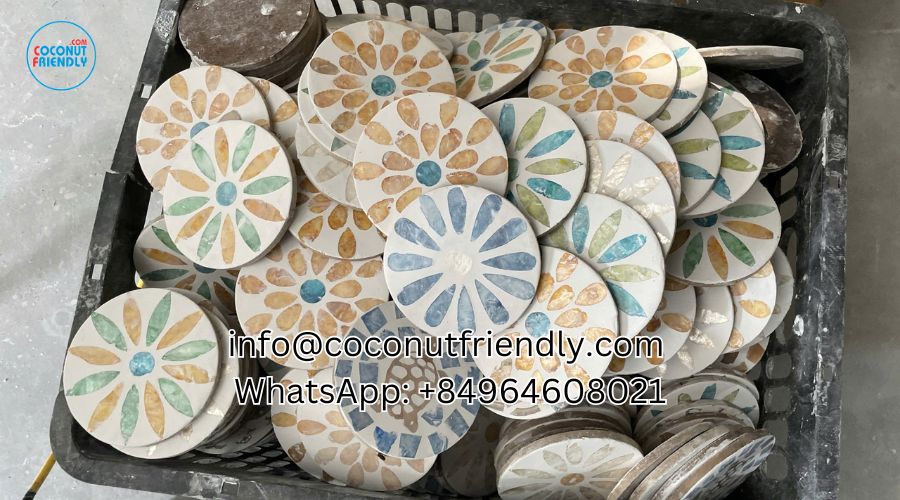
Take mother of pearl inlay products as an example. Unlike plain wooden or resin items, each inlaid piece requires skilled cutting, hand placement, polishing, and finishing. This labor-intensive process transforms raw materials into decorative objects that feel luxurious and rare. Consequently, customers accept price points that are several times higher than mass-produced alternatives.
Industry data from McKinsey confirms that consumers are increasingly willing to pay more for products perceived as artisanal or limited. At Coconut Friendly, this perceived value is reinforced through strict multi-stage QC processes that ensure surface consistency, structural durability, and export-grade finishing. For retailers, this means fewer returns, stronger customer satisfaction, and confidence in premium positioning.
Comparison Table: Handcrafted vs Generic Souvenirs
| Factor | Handcrafted Souvenirs | Generic Souvenirs |
|---|---|---|
| Perceived value | High due to visible craftsmanship | Low, mass-produced |
| Retail pricing | Premium-friendly | Price-driven |
| Emotional connection | Strong | Minimal |
| Shelf life | Long-term relevance | Trend-dependent |
| Brand differentiation | High | Very limited |
3. Stories Create Emotional Value That Products Alone Cannot
In souvenir retail, products rarely sell themselves—stories do. Travelers do not simply buy objects; they buy memories, emotions, and connections to the places they have visited. This is precisely why storytelling products consistently outperform generic alternatives, particularly in cultural, heritage, and travel-focused retail environments where emotional engagement strongly influences purchasing decisions.
Handcrafted souvenirs naturally carry layered stories about their origins, materials, and makers. A mother of pearl item, for example, can communicate narratives about coastal sourcing, the organic growth patterns of natural shell, and the delicate hand-inlay techniques passed down through generations of artisans. These stories instantly elevate the object beyond decoration, anchoring it to cultural heritage and transforming it into a keepsake with meaning and context.
Moreover, storytelling helps retailers move away from transactional selling. When a shop assistant explains why each piece of shell reflects light differently or how long it takes to complete a single inlay pattern, customers stop comparing prices and start appreciating value. According to UNESCO’s Creative Economy Report, culturally rooted handcrafted products generate stronger brand recall and significantly higher repeat purchase behavior. Consequently, storytelling becomes a strategic retail tool that justifies premium pricing while building trust.
At Coconut Friendly, storytelling is embedded into the product itself. We support retailers with clear background information on materials, artisan techniques, and ethical sourcing practices developed through long-term collaboration with skilled Vietnamese craftsmen. As a result, shop owners and sales staff can confidently explain value in an authentic, conversational way—without relying on aggressive sales tactics—while strengthening customer satisfaction and long-term brand loyalty.
4. Sustainability Has Become a Buying Requirement
Sustainability is no longer a niche concern—it is a baseline expectation. Modern travelers increasingly prefer souvenirs that align with eco-conscious values, making sustainable souvenirs a critical part of any competitive retail strategy.
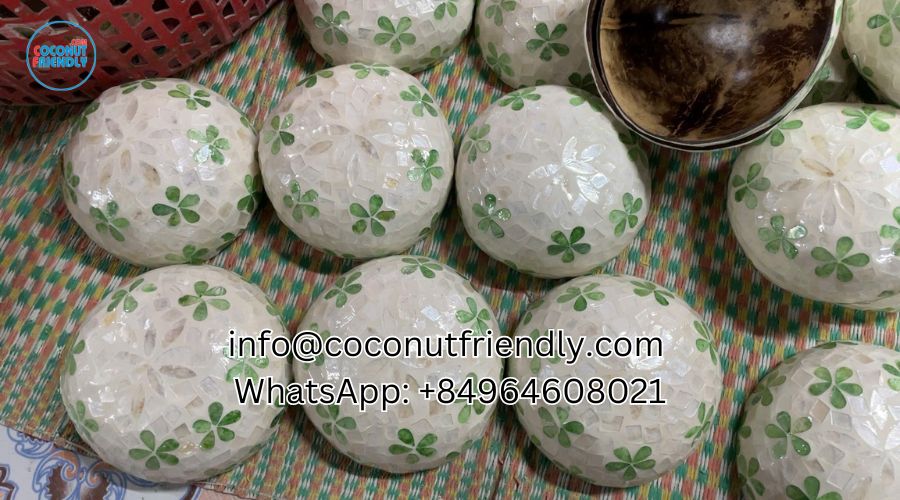
Handcrafted products often use natural, recycled, or by-product materials such as wood, shell, or coconut components. Compared to plastic souvenirs, these materials reduce environmental impact while reinforcing authenticity. Moreover, ethical production practices resonate strongly with younger and environmentally aware consumers.
According to Nielsen’s Global Sustainability Report, over 70% of consumers say sustainability influences their purchasing decisions. Consequently, Handicraft Souvenirs for Retail allow retailers to meet environmental expectations without sacrificing profitability.
Coconut Friendly integrates sustainability through responsible sourcing, long-term artisan partnerships, and controlled production processes. This ensures stable supply chains while supporting local communities in Vietnam.
5. Practical Retail Benefits That Drive Long-Term Sales
Beyond emotional appeal, handcrafted souvenirs offer concrete operational advantages for retailers. Their timeless design and cultural relevance extend shelf life, reducing the risk of unsold inventory tied to seasonal or trend-driven products.
Additionally, handcrafted items elevate overall store perception. When placed strategically within a curated product mix, they anchor premium displays and attract a clearly defined target audience willing to spend more per purchase. This improves average transaction value and strengthens brand positioning.
From a sourcing standpoint, working with experienced suppliers simplifies bulk purchasing, stabilizes unit cost, and ensures predictable lead times. Coconut Friendly’s export-ready standards and rigorous QC further reduce the risk of breakage, defects, and post-sale issues—critical factors for international retailers.
Get in touch with us today to discover our full range of products or to discuss wholesale opportunities. We look forward to a successful partnership!
- Coconut Friendly
- Email: info@coconutfriendly.com
- Tel/WhatsApp: +84 964 608 021
Explore our Products Collection for more choices!