

Blog, Retail Tips
Choosing Souvenirs for Retail: 5 Factor Strategies to Boost Sales
Choosing Souvenirs for Retail is no longer a matter of intuition or personal taste. In today’s highly competitive retail landscape—especially within tourist destinations, hotel gift shops, and specialty stores—souvenir selection has become a strategic business decision directly affecting profit margins, target audience alignment, and long-term retail trends.
Furthermore, modern travelers are more selective than ever. They care not only about price, but also about portability, durability, storytelling, and perceived value. Consequently, retailers who understand how to curate the right souvenir collection consistently outperform those who rely on impulse-driven seasonal demand alone.
In this article, we break down the five most critical factors retailers should consider when Choosing Souvenirs for Retail. Drawing from real-world sourcing experience, global retail trends, and export-grade production insights from Vietnam, this guide helps you build a profitable, sustainable, and scalable souvenir product mix.
1. Choosing Souvenirs for Retail Starts With Product Design That Sells
Design is the first silent salesperson. Specifically, when customers walk into a souvenir shop, their buying decision often begins within seconds. Shapes, textures, finishes, and cultural cues immediately influence whether a product feels aligned with the target audience.
From a retail standpoint, successful souvenir design balances emotional appeal with commercial logic. Products that are too complex often suffer from higher unit cost, while generic designs struggle to stand out in competitive retail environments.
According to Euromonitor International, souvenir categories combining cultural symbolism with contemporary aesthetics show stronger shelf life and higher conversion rates. Consequently, retailers who master Choosing Souvenirs for Retail through intentional design enjoy more stable profit margins.

2. Weight Matters More Than You Think in Choosing Souvenirs for Retail
Weight plays a critical yet often underestimated role in Choosing Souvenirs for Retail, especially in destinations serving international travelers. Most tourists already travel with limited luggage capacity, and any additional weight immediately becomes a psychological barrier to purchase. Consequently, even beautifully designed souvenirs may be left behind simply because they feel inconvenient to carry.
Furthermore, from a retail performance perspective, lightweight products consistently show higher conversion rates. Travelers are far more likely to make impulse purchases when they feel confident the item will fit comfortably into their suitcase or carry-on. In addition, lighter souvenirs often align better with the preferences of a global target audience, including business travelers and short-stay tourists.
From a sourcing standpoint, weight directly affects logistics efficiency. Lighter items significantly reduce shipping costs for retailers working with wholesale suppliers and bulk purchasing models. As a result, lower freight expenses improve overall profit margins, especially when sourcing export quality souvenirs across long-distance trade routes.
According to Skyscanner Travel Insights, most travelers actively prefer souvenirs weighing under 500 grams. Consequently, materials such as coconut shell combined with mother of pearl craftsmanship provide an ideal balance between durability, elegance, and travel convenience—making them highly suitable for retailers focused on long shelf life, efficient inventory turnover, and sustained sales performance.

3. Size and Portability Define Retail-Friendly Souvenirs
Closely linked to weight is size. Specifically, Choosing Souvenirs for Retail requires evaluating whether an item fits easily into a handbag or carry-on suitcase. Compact souvenirs consistently outperform bulky alternatives in tourist-driven retail spaces.
Moreover, smaller items allow retailers to optimize shelf layout and expand their product mix without sacrificing display quality. This flexibility supports better retail trends adaptation and faster response to shifting seasonal demand.
From a sourcing angle, compact products also improve lead times and reduce packaging waste, reinforcing both cost efficiency and sustainability goals when working with international wholesale suppliers.
4. Durability Is a Non-Negotiable Factor in Choosing Souvenirs for Retail
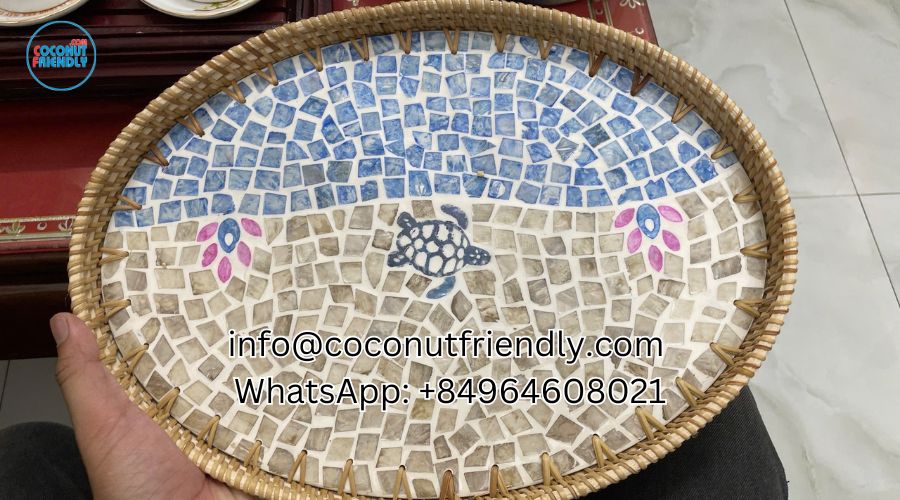
Durability directly impacts customer satisfaction and long-term brand trust. Specifically, fragile souvenirs lead to higher complaint rates, which negatively affect gift shop profitability and repeat purchases.
According to Statista Retail Studies, fragile souvenir categories generate return complaints up to three times higher than durable alternatives. Consequently, Choosing Souvenirs for Retail must include evaluating export quality, material resilience, and construction methods.
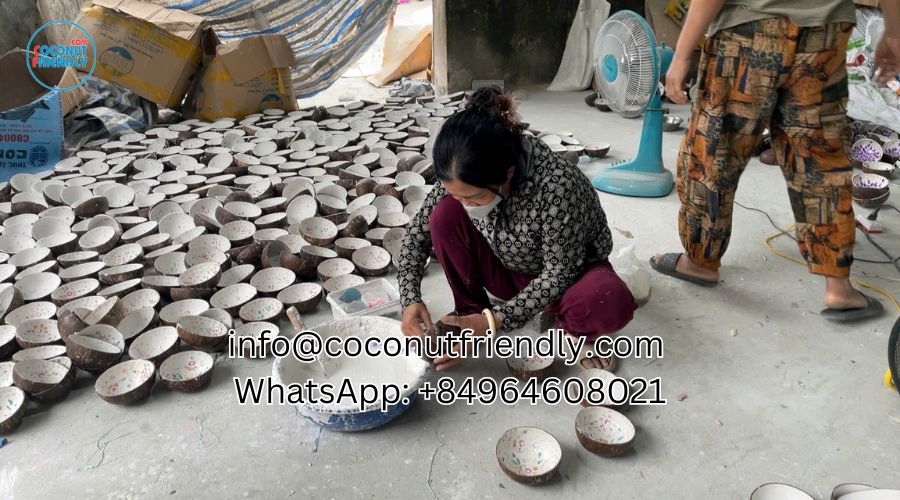
Export-grade artisan products, supported by strict QC processes, significantly reduce damage during transport. Moreover, durable souvenirs maintain their appearance across longer shelf life, making them ideal for retailers managing inventory across multiple sales cycles.
5. Storytelling Elevates Choosing Souvenirs for Retail to a Strategic Level
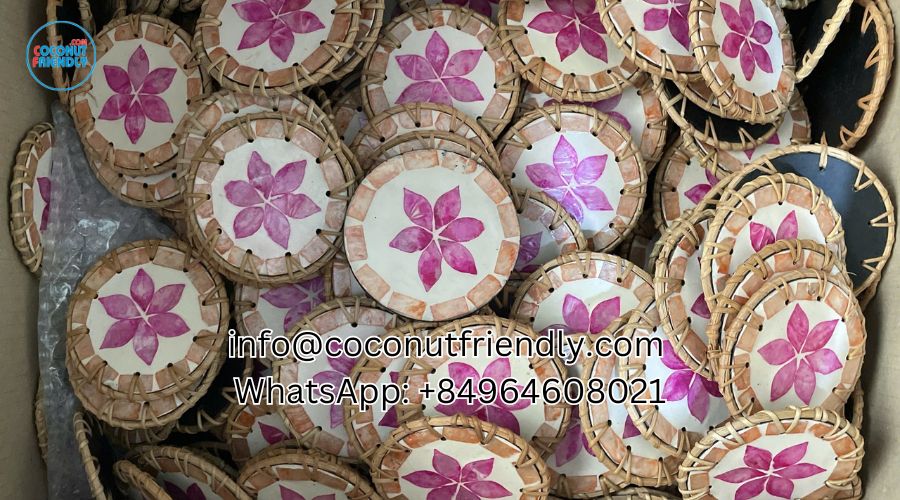
Beyond form and function, storytelling is where souvenirs truly gain emotional value and long-term commercial strength. In Choosing Souvenirs for Retail, products without a narrative often compete solely on price, while those with clear cultural meaning create differentiation. Consequently, storytelling transforms a simple object into a memory, making customers more willing to purchase and recommend it.
Moreover, modern consumers are increasingly drawn to sustainable souvenirs, unique artisan gifts, and products with transparent origins. They want to understand where a product comes from, who made it, and why it matters. In addition, souvenirs that communicate authenticity tend to enjoy higher perceived value, even when their unit cost remains competitive for retailers.
For example, souvenirs inspired by national symbols—such as kangaroos representing Australia or kiwi birds symbolizing New Zealand—create instant emotional recognition. When these culturally meaningful motifs are executed through mother of pearl craftsmanship, the result feels refined, timeless, and premium. Consequently, retailers can position such items as elevated keepsakes rather than mass-produced merchandise.
According to UNESCO’s Creative Economy Report, culturally rooted, handcrafted products achieve stronger brand recall and higher repeat purchase rates. Therefore, storytelling becomes a powerful strategic tool in Choosing Souvenirs for Retail, enabling retailers to build trust, support premium pricing, and sustain profitability even in highly competitive tourist markets.
Sustainable Elegance, Wholesale Ready: Explore Our Eco-Friendly Products
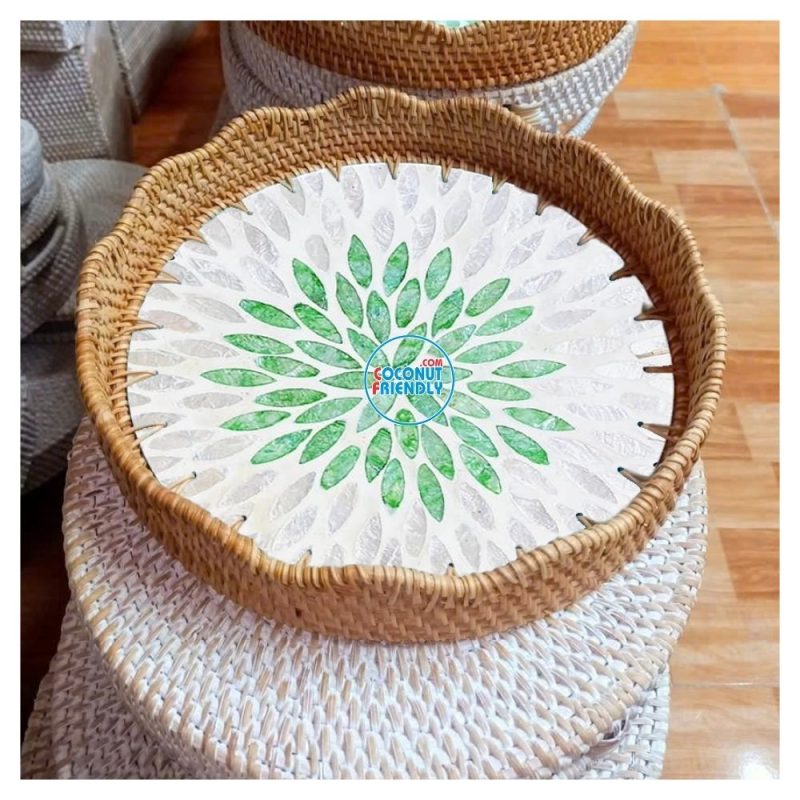

Comparative Overview: Retail-Friendly Souvenir Criteria
| Factor | Low-Performing Souvenirs | High-Performing Souvenirs |
|---|---|---|
| Weight | Heavy, luggage-unfriendly | Lightweight, travel-safe |
| Size | Bulky, hard to pack | Compact, portable |
| Durability | Fragile, high return risk | Export quality, reinforced |
| Design | Generic, trend-dependent | Timeless, culturally relevant |
| Storytelling | No narrative | High perceived value, cultural story |