

Blog, Retail Tips
Storytelling in Retail: Elevating Your Handicraft Souvenir Sales
Storytelling in Retail has become one of the most powerful strategies for souvenir retailers who want to escape price competition and build long-term customer loyalty. In today’s travel-driven economy, tourists no longer buy souvenirs simply because they are functional or decorative. Instead, they choose products that mean something, products that can carry memories, culture, and identity beyond the trip itself.
Furthermore, for handicraft retailers—especially those working with ethically sourced, handmade products from Vietnam—storytelling is not a marketing trick. It is a strategic asset. When applied correctly, it transforms ordinary merchandise into emotionally resonant keepsakes, strengthens customer engagement, and significantly improves handicraft souvenir sales.
1. Understanding Storytelling in Retail for Souvenir Businesses
Storytelling in retail refers to the strategic use of narrative elements—origin, material, craftsmanship, and cultural meaning—to influence how customers perceive and emotionally connect with a product. In souvenir retail, this approach is especially powerful because purchasing decisions are closely tied to memory and identity.
Rather than focusing on features alone, storytelling reframes the product as part of a larger human and cultural journey. Consequently, customers engage not only with what they buy, but with why it exists.
1.1 What Are Storytelling Products?
Storytelling products are not simply physical goods placed on retail shelves. Instead, they are tangible objects infused with intangible meaning, including history, craftsmanship, cultural symbolism, and human effort. In essence, these products combine functional value with emotional and cultural depth, transforming ordinary merchandise into meaningful artifacts.
In Storytelling in Retail, a storytelling product acts as a bridge between the maker and the buyer. Rather than focusing solely on utility, the product communicates a broader brand narrative—where it comes from, how it is made, and why it exists. Consequently, customers are not just purchasing an object; they are acquiring a piece of a larger story that carries memory and identity.
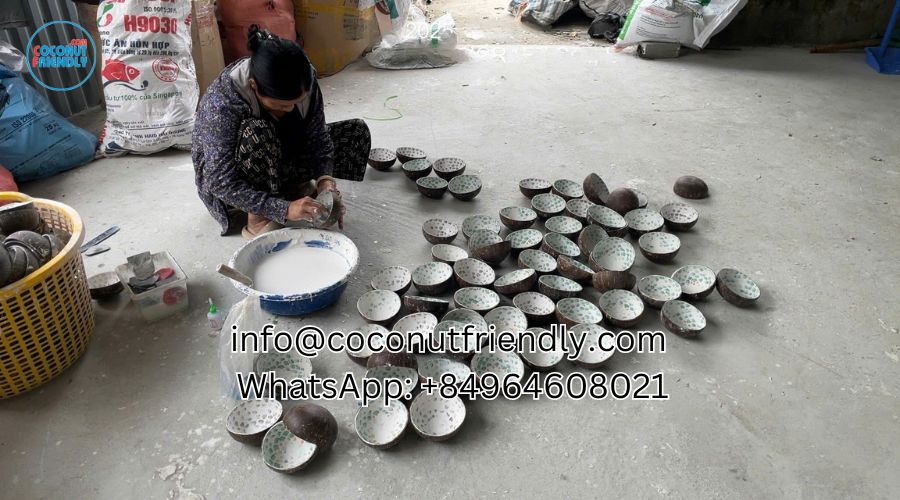
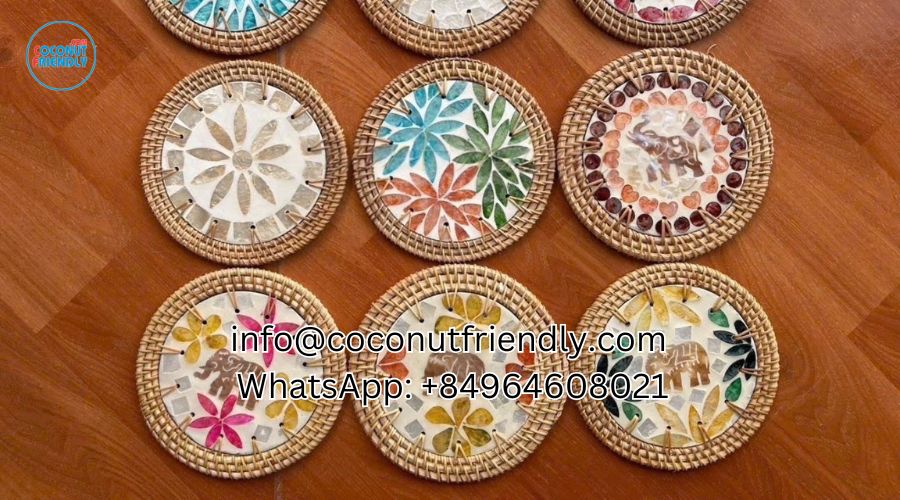
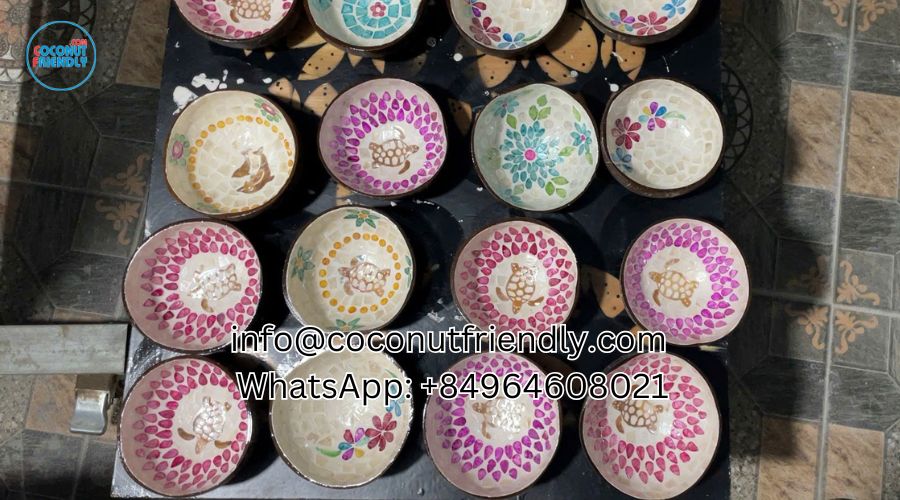
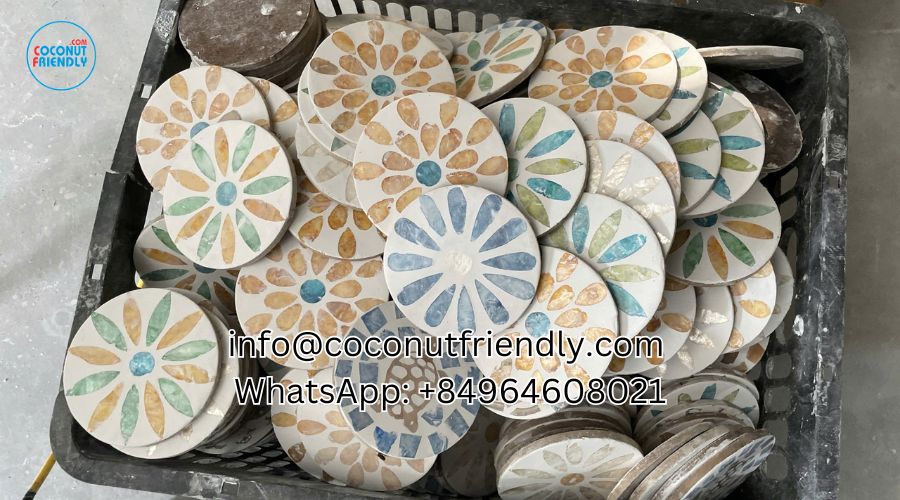
For example, a mass-produced wooden box may fulfill a storage function. However, a handcrafted mother of pearl inlay box conveys a richer narrative. It reflects the mother of pearl history, from the slow formation of nacre inside ocean shells over many years to the meticulous process of hand-cutting, polishing, and inlaying performed by skilled Vietnamese artisans. As a result, each piece feels rare, authentic, and irreplaceable.
1.2 Why Do Storytelling Products Matter in Retail?
Storytelling products matter in retail because they fundamentally change how customers perceive value. In competitive souvenir environments, products without stories are easily compared by price. In contrast, products with strong narratives shift the conversation from cost to meaning, reducing price sensitivity and strengthening perceived value.
Moreover, storytelling products create deeper emotional connection with customers. Tourists and gift buyers are not simply purchasing items; they are preserving memories and sharing experiences. When a product carries a story—about craftsmanship, culture, or origin—it becomes emotionally charged, increasing attachment and long-term brand recall.
According to UNESCO’s Creative Economy Report, handcrafted products embedded with cultural narratives achieve higher emotional recall and stronger post-purchase attachment than generic items. Consequently, storytelling products directly support higher handicraft souvenir sales, improved customer engagement, and greater loyalty in retail settings.
From a strategic perspective, storytelling products also empower retailers. They provide meaningful talking points for staff, elevate the in-store experience, and reinforce brand positioning without relying on aggressive sales tactics. In modern retail, storytelling is no longer optional—it is a critical driver of sustainable growth.
2. Why Storytelling Gives Souvenir Retailers a Competitive Advantage
For souvenir retailers, storytelling is not optional—it is a competitive advantage. When properly executed, it reshapes how customers perceive value, price, and meaning.
2.1 Eliminating Price Competition
When customers emotionally connect with a product, they stop comparing prices. Instead of asking, “Is this cheaper elsewhere?”, they ask, “What does this represent?” Consequently, storytelling removes your products from direct comparison with mass-produced souvenirs found in airport shops.
2.2 Building Emotional Connection with Travelers
Travelers purchase souvenirs to preserve memories. A compelling story transforms a souvenir into a memory anchor. Specifically, when a customer learns the origin of a handcrafted item, they mentally associate it with the destination, the people, and the experience itself. This strengthens customer engagement and increases the likelihood of word-of-mouth sharing.
2.3 Increasing Perceived Value and Profit Margins
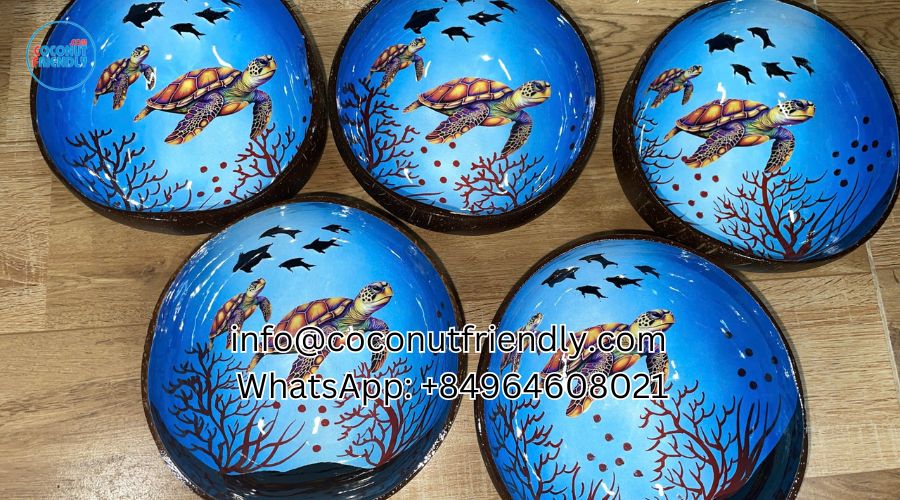
From a retail economics perspective, storytelling significantly increases perceived value. Nielsen research shows that consumers are willing to pay more for products with authentic stories and transparent sourcing. As a result, storytelling products often generate higher margins without increasing production costs.
Generic Souvenirs vs. Storytelling Products
| Criteria | Generic Souvenir | Storytelling Product |
|---|---|---|
| Emotional connection | Low | High |
| Price sensitivity | Very high | Low |
| Perceived value | Functional | Emotional + Cultural |
| Customer engagement | Transactional | Relational |
| Repeat purchase | Rare | Frequent |
3. How to Build a Strong Story for Your Souvenir Inventory
Creating storytelling products does not require fiction. On the contrary, the most powerful narratives are rooted in truth. Retailers only need to structure and communicate what already exists.
3.1 The Origin Story – Where the Product Comes From
First, explain the geographical and cultural origin. Is the product crafted in a coastal village of central Vietnam? Does it come from a traditional craft region passed down through generations? Origin anchors authenticity and strengthens brand narrative.
3.2 The Material Journey – From Nature to Souvenir
Secondly, describe the journey of the material itself. For instance, mother of pearl forms naturally inside shells over many years. Nature slowly creates its iridescent layers, making each piece unique. This transforms the product into a “gift from the ocean,” reinforcing sustainability and rarity.
3.3 The Artisan’s Touch – Human Skill and Imperfection
Finally, emphasize craftsmanship. Each inlay is hand-cut, polished, and placed manually. No two products are identical. This “imperfection” becomes proof of authenticity and elevates handicraft souvenir sales by highlighting exclusivity.
4. Applying Storytelling Effectively Inside Your Retail Store
Storytelling must be visible and actionable at the point of sale. Otherwise, even the strongest narratives remain untold.
4.1 Using Product Hangtags to Communicate Stories
Short, well-written hangtags allow customers to understand a product’s meaning instantly. Even a few lines about material origin and craftsmanship can significantly increase engagement.
4.2 Enhancing Retail Displays With Visual Storytelling
Photos or videos showing artisans at work help customers visualize the story behind the product. Visual storytelling strengthens trust and reduces the need for verbal explanation.
4.3 Training Staff as Storytellers, Not Salespeople
Well-trained staff act as storytellers rather than transactional sellers. When staff confidently explain origin, material, and craftsmanship, customers feel informed rather than pressured.
At Coconut Friendly, we support retailers with ready-made storytelling content, visual assets, and product background documentation—making storytelling easy to implement even at scale.
5. Why Coconut Friendly Supports Storytelling-Driven Retail Growth
Coconut Friendly is built around the belief that authentic stories drive sustainable growth. Our R&D team continuously refines designs to align with global retail trends, while our strict QC process ensures export-grade consistency across bulk orders.
More importantly, our long-term collaboration with Vietnamese artisans allows us to document real stories—material origins, craft processes, and cultural context—rather than invented narratives. Consequently, our retail partners receive storytelling tools that enhance credibility, strengthen brand narrative, and improve long-term performance.
Get in touch with us today to discover our full range of products or to discuss wholesale opportunities. We look forward to a successful partnership!
- Coconut Friendly
- Email: info@coconutfriendly.com
- Tel/WhatsApp: +84 964 608 021
Explore our Products Collection for more choices!
