

Blog, Wholesale Guide
Stacking Rules for Mother of Pearl Souvenirs in Storage
Stacking Rules for Mother of Pearl Souvenirs are often underestimated, yet they play a decisive role in whether products arrive at retail shelves in perfect condition or quietly deteriorate in storage. In wholesale and export environments, damage rarely happens during transport alone—it begins much earlier, inside the warehouse.
This guide explores professional stacking rules for mother of pearl souvenirs in storage, specifically designed for wholesale buyers, gift retailers, and export warehouses. Each section explains not only how to stack correctly, but why it matters from a material science and retail risk perspective. Moreover, the practices shared here reflect real-world storage solutions tested through Coconut Friendly’s long-term production and export experience.
1. The “Soft Barrier” Rule: Protecting Inlaid Coasters from Friction
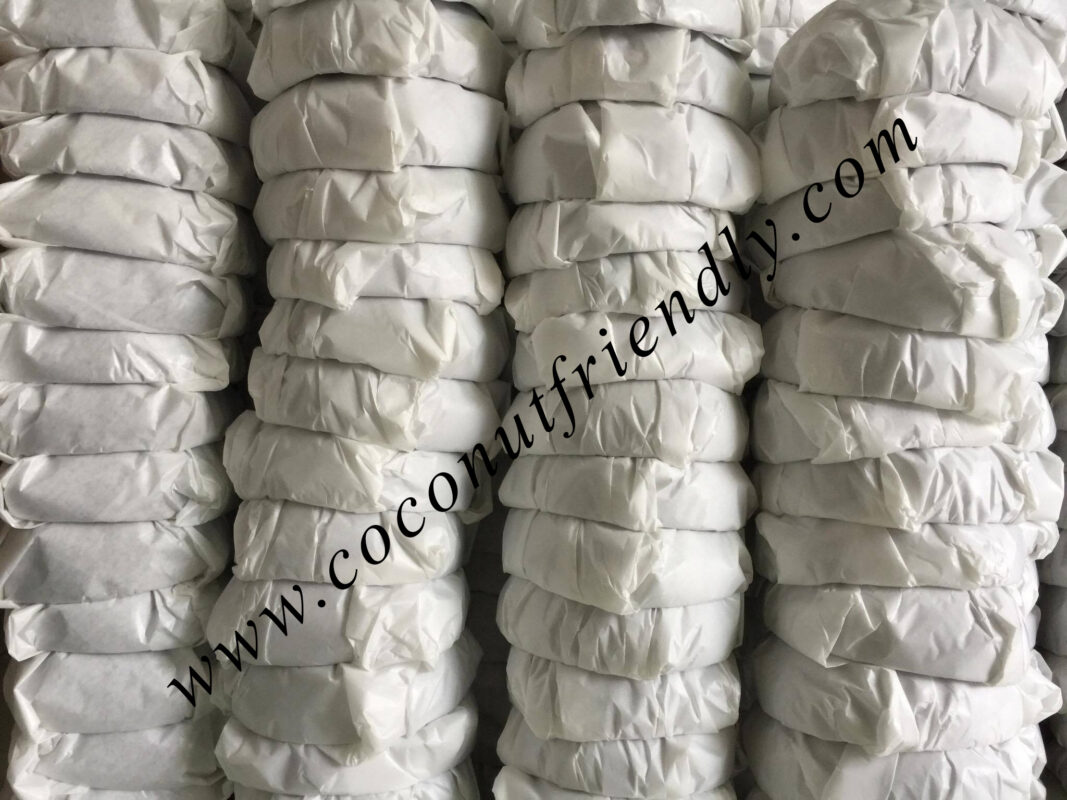
Stacking Rules for Mother of Pearl Souvenirs begin with the smallest items—inlaid coasters, which are also the most frequently damaged. When stacking mother of pearl coasters, the golden principle is one-on-one padding. Specifically, every single coaster must be separated by a soft barrier such as flannel fabric or acid-free tissue paper. This method is essential because nacre surfaces are highly polished but extremely sensitive to point friction. When coasters are stacked without padding, the underside rim of the top coaster rubs directly against the lacquered shell below. Consequently, micro-scratches form even without visible movement. In addition, humidity intensifies this risk. In tropical or coastal climates, lacquer layers may soften slightly. Without a soft barrier, stacked coasters can stick together, causing peeling when separated. This is one of the most common issues reported in wholesale gift storage solutions.
At Coconut Friendly, QC teams require padded stacking during both semi-finished storage and final packing stages. This practice alone reduces surface defects in mother of pearl coasters by a measurable margin before export.
2. Vertical vs. Horizontal: The Safest Way to Store Mother of Pearl Trays
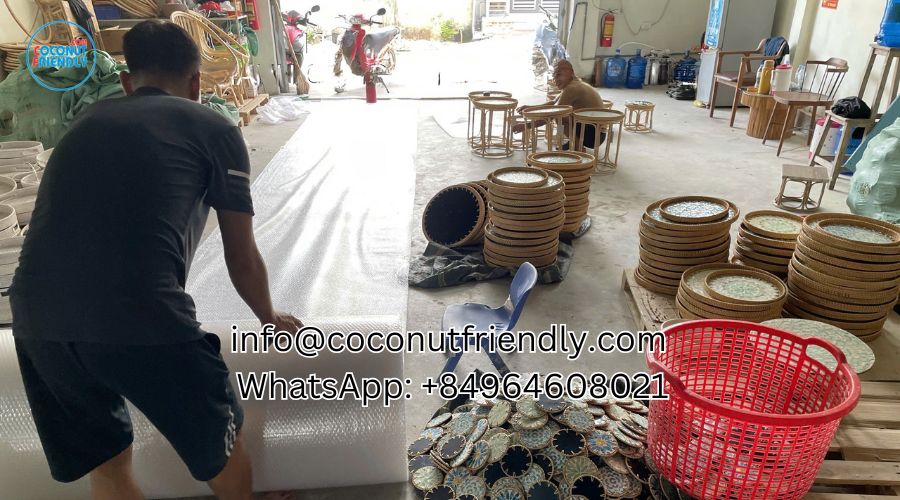
Stacking Rules for Mother of Pearl Souvenirs differ significantly when applied to Mother of Pearl trays, due to their size and surface area. For medium to large trays, horizontal stacking is always preferred. Specifically, no more than five trays should be stacked in one horizontal pile. Horizontal stacking distributes weight evenly across the tray’s base. Consequently, pressure does not concentrate at the center, which is the weakest structural point for inlaid surfaces. This method significantly lowers the risk of hairline cracks in shell inlays. However, warehouse space is often limited. In such cases, vertical storage becomes unavoidable. When stacking MOP trays vertically, a dedicated rack or divider system must be used so the tray edges rest securely without bearing weight on the inlaid surface itself.
Through long-term R&D testing, Coconut Friendly discovered that improperly supported vertical stacking caused more tray deformation than long-distance shipping. Therefore, internal QC protocols require customized tray supports during storage and consolidation phases.
3. Nested Cushioning: Managing Mother of Pearl Coconut Bowls
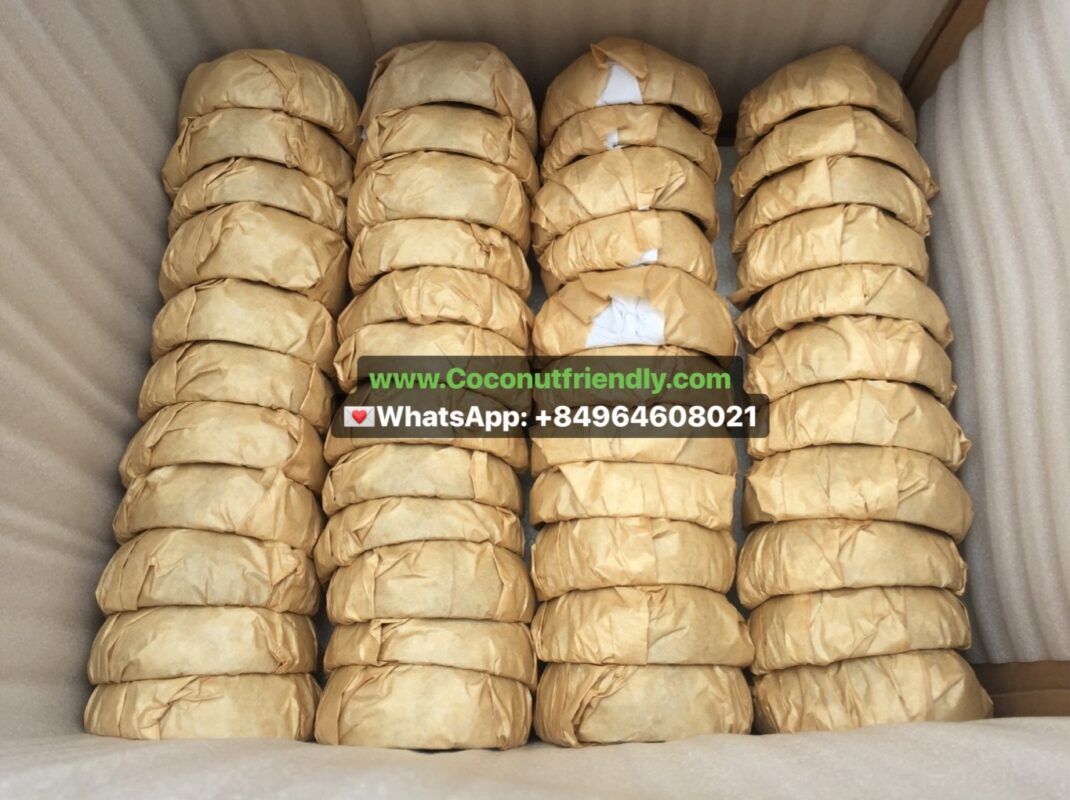
Stacking Rules for Mother of Pearl Souvenirs become more complex with Mother of Pearl coconut bowls, due to their organic and non-uniform shape. Unlike ceramic bowls, coconut shells naturally vary in curvature and thickness. Therefore, direct stacking without cushioning is highly risky. The recommended method is nested stacking with cushioning. Larger bowls should always sit at the bottom. Before placing a smaller bowl inside, a thin layer of bubble wrap or EPE foam must be placed inside the bowl cavity. This cushioning absorbs pressure at irregular contact points. Without it, raised coconut shell textures press directly into the mother of pearl inlay of the bowl above. Consequently, shell fragments may loosen or detach entirely over time.
Coconut Friendly artisans intentionally preserve the natural contours of coconut shells. While this enhances authenticity, it also demands stricter stacking discipline. For wholesale buyers, following this method dramatically reduces post-storage defects in inlaid coconut products.
4. Weight Distribution: Avoiding Structural Stress on Shell Inlays
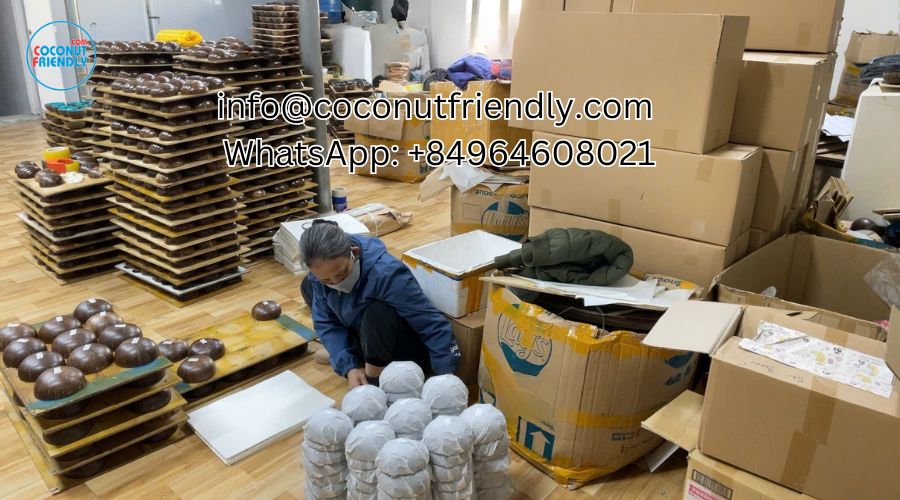
One of the most overlooked stacking rules for mother of pearl souvenirs is weight hierarchy. The core principle is simple: heavy items at the bottom, lighter items on top, often referred to as pyramid loading. This rule exists because nacre, while beautiful, is naturally brittle. When heavy wooden or resin-based products are placed on top of lighter shell-inlaid items, stress transfers directly to the adhesive layer beneath the shell. Over time, this invisible stress weakens the bond between shell and base. Consequently, entire batches may fail QC inspections weeks later, even if no impact occurred. This type of damage is especially costly in wholesale environments.
Coconut Friendly’s storage audits revealed that incorrect weight distribution caused more cumulative damage than humidity alone. As a result, weight-based stacking is now a mandatory QC checkpoint before warehouse sealing.
Common Stacking Errors vs. Professional Solutions
| Storage Mistake | Risk Created | Professional Solution |
|---|---|---|
| No padding between coasters | Surface scratches | Soft barrier separation |
| Overstacked trays | Center cracking | Max 5 trays horizontal |
| Direct bowl nesting | Shell peeling | Foam or EPE cushioning |
| Heavy items on top | Adhesive failure | Pyramid loading rule |
5. Environmental Shielding: Humidity and Light Control in Storage
Stacking Rules for Mother of Pearl Souvenirs cannot be separated from environmental control. Even perfectly stacked products can fail if exposed to excessive heat, humidity, or direct sunlight. Mother of pearl and its base materials expand and contract at different rates. When exposed to heat, these materials move unevenly. Consequently, stacked items restrict natural expansion, causing internal stress fractures. In addition, prolonged exposure to strong warehouse lighting or sunlight dulls nacre’s iridescent surface. This discoloration reduces perceived luxury and directly affects retail pricing potential.
For this reason, Coconut Friendly warehouses avoid stacking products near heat sources, skylights, or high-intensity lamps. Controlled airflow, shaded zones, and regulated humidity form an essential extension of proper stacking rules.
Get in touch with us today to discover our full range of products or to discuss wholesale opportunities. We look forward to a successful partnership!
- Coconut Friendly
- Email: info@coconutfriendly.com
- Tel/WhatsApp: +84 964 608 021
Explore our Products Collection for more choices!
