

Blog, Wholesale Guide
How to Maintain Mother of Pearl Souvenir Quality Before Selling
Maintenance for Mother of Pearl is one of the most underestimated factors affecting souvenir profitability. Many retailers focus heavily on sourcing and pricing, yet overlook what happens after products arrive at the shop but before they are sold. Unfortunately, this is exactly where quality degradation quietly begins.
Mother of pearl souvenirs are not mass-produced objects. They are organic, layered materials shaped by artisan craftsmanship and natural shell structures. Consequently, improper handling, storage, or cleaning can diminish their visual appeal long before any obvious damage appears.
Moreover, customers judge quality instantly. A slightly dulled surface, uneven shine, or visible fingerprint can silently reduce perceived value—especially in gift-driven purchases. Therefore, maintaining product quality before selling is not merely a technical task; it is a strategic retail advantage.
This guide outlines practical, proven maintenance methods that help gift shops and souvenir retailers preserve nacre lustre, protect shell inlay, and ensure every piece reaches customers in its best possible condition.
1. The “Anti-Oxidation” Barrier: Utilizing Microfiber and Dust Covers
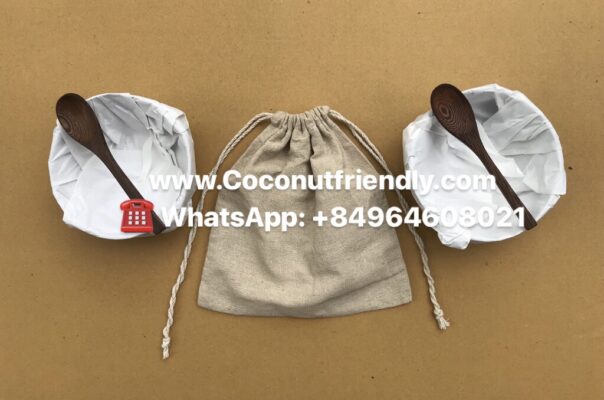
One of the simplest yet most effective maintenance practices is creating a physical barrier between mother of pearl and its environment. Whenever products are not actively displayed, they should be wrapped in non-woven fabric bags or gently covered with microfiber cloths.
Importantly, airtight plastic bags should be avoided for long-term storage. While plastic may seem protective, it traps moisture and creates localized humidity. Over time, this microclimate accelerates oxidation and dulls nacre lustre.
Furthermore, airborne dust is not harmless. Tiny particles settle into surface micro-grooves and, when wiped improperly, create micro-scratches that permanently reduce shine. By using breathable fabric covers, retailers significantly reduce the need for frequent cleaning.
From a retail perspective, this method supports both preservation and presentation. Covered inventory stays cleaner, requires less handling, and maintains its premium finish—especially valuable for high-touch display items.
2. Lustre Revival: The Gentle “Dry Wipe” Technique
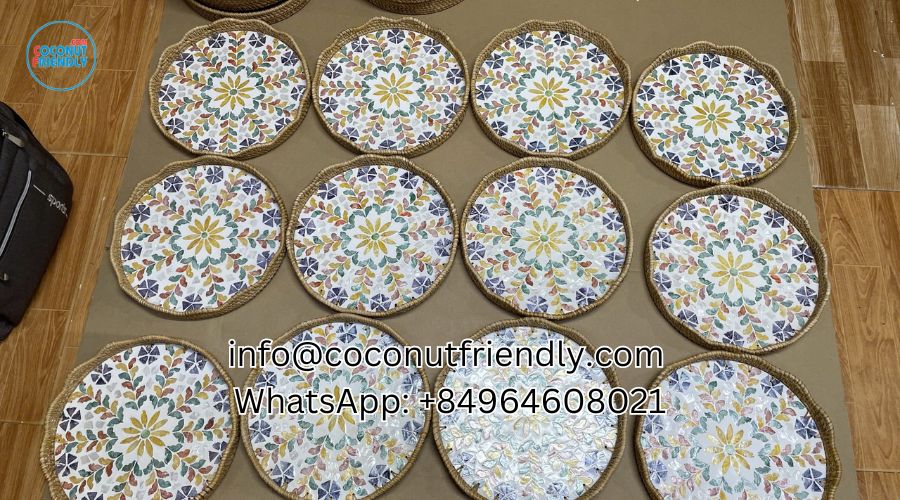
Preserving nacre lustre does not require chemicals—in fact, chemicals are often the problem. The safest and most effective cleaning method is a gentle dry wipe using an ultra-fine microfiber cloth.
Fingerprints, which are common in retail environments, contain natural oils and acids that dull shell surfaces over time. Regular dry wiping removes these residues before they oxidize or interact with lacquer finishes.
In addition, artisans often recommend a visual refresh technique for display pieces: applying an extremely small amount of natural vegetable oil to a cloth—not directly to the product. This temporarily enhances iridescence by restoring surface light reflection. Immediately afterward, a clean dry cloth should be used to remove any excess.
This approach is especially useful during high-traffic hours when products are frequently touched. Consequently, items always appear vibrant without introducing long-term chemical risks.
3. Humidity Equilibrium: Avoiding the “Dry-Out” Effect
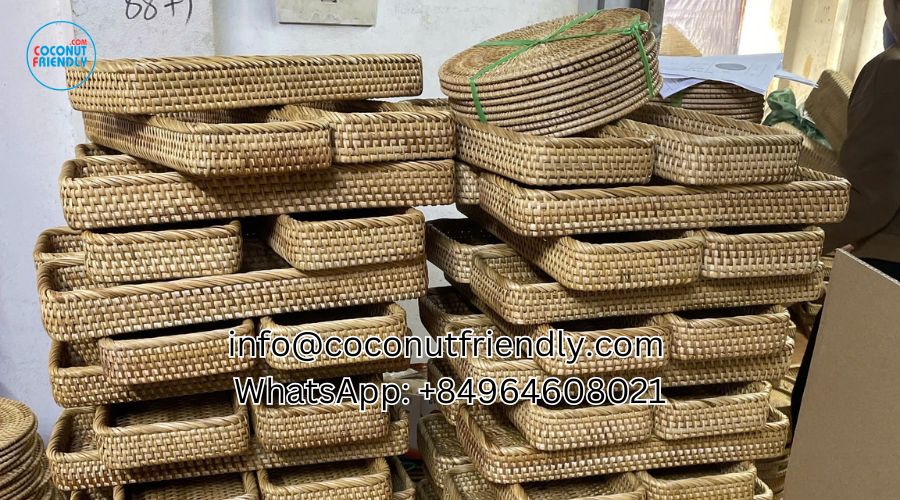
Mother of pearl is a natural composite material, and like all organic materials, it responds to its environment. Contrary to popular belief, excessively dry air can be just as damaging as high humidity.
When stored near air conditioners or heating systems, nacre slowly loses internal moisture. Consequently, adhesives become brittle, and shell layers lose their natural glow. Over time, this leads to surface dullness and increased risk of cracking or delamination.
The ideal storage humidity range is between 40–60%. Maintaining this balance allows shell inlay, adhesives, and base materials to expand and contract harmoniously.
Moreover, stable humidity ensures visual consistency across inventory. Products age evenly, preventing scenarios where display items look noticeably different from stock pieces—an issue that often raises buyer concerns.
4. Strategic Rotation: Preventing “Uneven Aging” from Display Lights
Display lighting enhances appeal—but prolonged exposure creates uneven aging. Spotlights, especially warm LEDs or halogen lights, gradually affect lacquer finishes and shell coloration.
Therefore, strategic stock rotation is essential. Items exposed to direct light should be repositioned at least once every 3–4 weeks. This distributes light exposure evenly across inventory and prevents discoloration or localized dullness.
Furthermore, rotation reduces stress on specific pieces that otherwise bear the full impact of heat and light. As a result, all items maintain consistent appearance, which is crucial for gift buyers comparing similar products.
From a merchandising standpoint, rotation also refreshes the display visually, subtly increasing customer engagement without additional investment.
5. Minimal Handling Policy: Using Cotton Gloves for Showroom Pieces
Frequent handling is one of the fastest ways to degrade shell inlay quality. Human skin releases moisture, oils, and mild acids that slowly react with nacre surfaces—especially in warm retail environments.
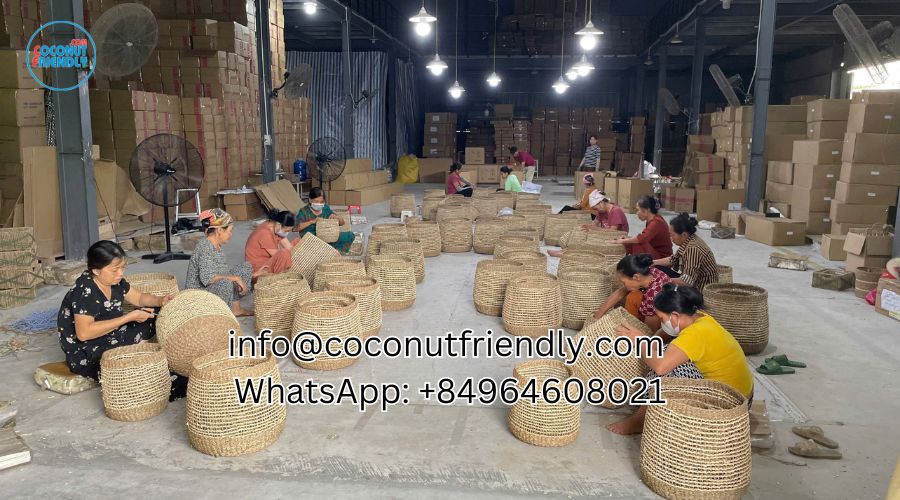
Implementing a cotton glove policy for staff handling protects products from direct contact. Moreover, it signals professionalism. Customers subconsciously associate glove use with museum-grade care and premium value.
In addition, gloves reduce the need for constant wiping, which itself introduces friction and wear. Over time, this significantly extends the visual lifespan of display items.
From a B2B perspective, such handling discipline elevates brand perception. Buyers are more confident sourcing from retailers who visibly respect product integrity.
 s
s
Maintenance Impact vs. Common Retail Risks
| Maintenance Practice | Risk Prevented | Retail Benefit |
|---|---|---|
| Fabric dust covers | Oxidation, dust abrasion | Cleaner inventory |
| Dry microfiber wiping | Fingerprint dullness | Consistent lustre |
| Humidity balance | Adhesive brittleness | Structural stability |
| Display rotation | Uneven discoloration | Visual consistency |
| Cotton glove handling | Skin oil damage | Premium perception |
Get in touch with us today to discover our full range of products or to discuss wholesale opportunities. We look forward to a successful partnership!
- Coconut Friendly
- Email: info@coconutfriendly.com
- Tel/WhatsApp: +84 964 608 021
Explore our Products Collection for more choices!
