

Blog, Retail Tips
Handling Price Objections in Retail: Stop Discounting
This article helps souvenir shop owners and boutique managers stop discounting without losing sales. It explains why price cuts damage perceived value, then shows how to reposition handcrafted souvenirs through storytelling and presentation. You will learn proven techniques to respond confidently to “It’s too expensive” .Finally, the article demonstrates how packaging and visual cues silently justify premium pricing.
1. Why Discounting Is the Worst Strategy for Handicraft Souvenirs
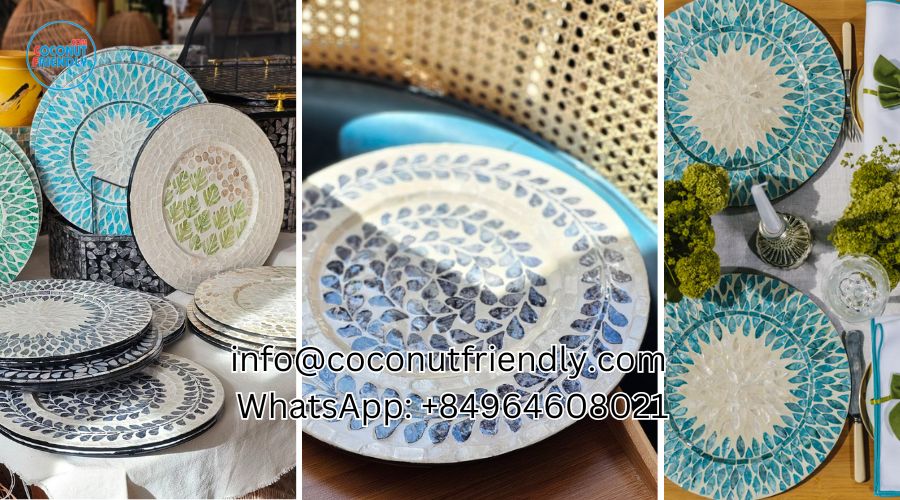
Discounting is often used as a reflex, not a strategy. In handicraft retail, especially with mother of pearl products, this reflex is extremely dangerous. The moment a handcrafted souvenir is discounted, its perceived value drops instantly—even if the craftsmanship remains unchanged.
From a customer psychology perspective, price acts as a quality signal. When customers see a reduced price, they subconsciously question the product’s authenticity, durability, or cultural worth. Consequently, the product is no longer viewed as an artisanal object but as a negotiable commodity.
Moreover, once a souvenir shop normalizes discounts, it becomes nearly impossible to return to premium pricing. Research discussed in Harvard Business Review shows that customers anchor quickly to the lowest price they have seen. Therefore, every future price appears “too expensive” by comparison.
For souvenir shop owners, this creates a long-term trap. Discounting does not remove price objections—it amplifies them. Instead of selling value, retail staff are forced into constant justification, eroding confidence, margins, and brand positioning.
2. Shift the Focus from “Price” to “Value” Through Storytelling
Handling Price Objections in Retail begins with changing the conversation. Instead of defending the number on the price tag, successful retailers redirect attention toward perceived value.
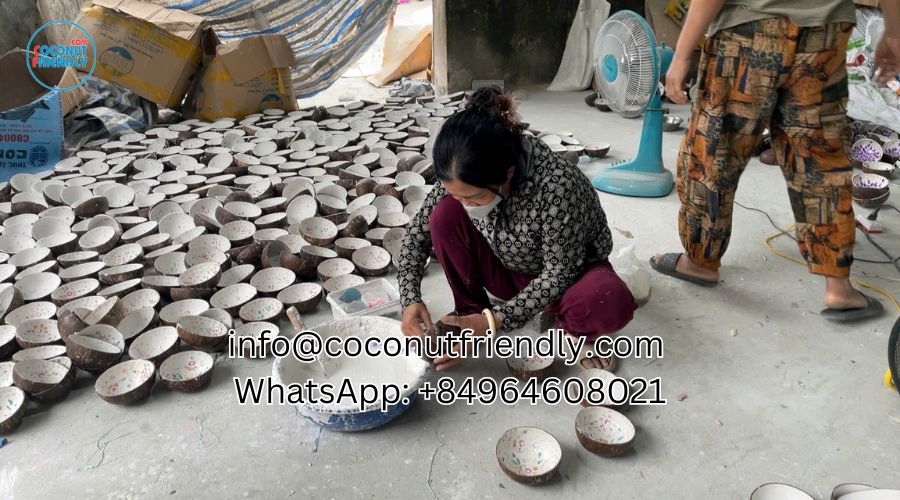
Storytelling is the most effective tool to achieve this shift. When customers understand the time, skill, and cultural heritage behind a mother of pearl product, price becomes secondary. Specifically, explaining the hand-cutting process, lacquer layering, and artisan expertise transforms the object into a narrative, not a product.
Furthermore, storytelling activates emotional selling. A customer buying a souvenir is rarely buying function—they are buying memory, meaning, and identity. When staff explain that no two mother of pearl patterns are ever identical, the item becomes irreplaceable.
At Coconut Friendly, this approach is supported by documented R&D processes, artisan collaboration, and strict QC standards. Consequently, retailers are equipped with authentic stories, not sales scripts—allowing them to sell confidently without sounding defensive.
3. Emphasize Uniqueness: One-of-a-Kind Means Non-Negotiable
One of the strongest ways of Handling Price Objections in Retail is emphasizing non-replicability. Handmade mother of pearl products are not mass-produced—and they should never be sold like they are.
Unlike factory-made souvenirs, each mother of pearl piece reflects natural shell variation, artisan technique, and manual assembly. Consequently, even two products with the same design are never truly identical. This fact alone eliminates direct price comparison.
Moreover, scarcity changes buyer behavior. When customers realize that “this exact piece will never exist again,” hesitation turns into urgency. This is a core principle in luxury retail strategy—people pay more when they fear missing out.
Retail staff should be trained to communicate this calmly and confidently. Not with pressure, but with clarity. When uniqueness is understood, discounts feel illogical rather than expected.
4. 3 Practical Techniques to Respond to “It’s Too Expensive”
Handling Price Objections in Retail requires practical tools that retail staff can apply instantly on the shop floor. Below are three techniques proven effective for handcrafted souvenirs.
4.1 The Comparison Technique – Compare Outcomes, Not Price Tags
When a customer says, “It’s too expensive,” they are subconsciously comparing your product to a cheaper alternative they have seen elsewhere. Therefore, defending the price directly often backfires. Instead, effective Handling Price Objections in Retail shifts the conversation from price-to-price comparison to outcome-to-outcome evaluation.
Plastic or resin souvenirs may look acceptable at first, but they age quickly. Colors fade, surfaces scratch, and the item gradually loses both visual appeal and emotional relevance. Mother of pearl products, however, age differently. Their iridescent finish comes from the material itself, not surface coating. As a result, light continues to reflect beautifully even after decades of use.
This technique also activates loss aversion, a key driver in customer psychology. When customers recognize that cheaper items often end up discarded or replaced, the low price begins to feel like a risk rather than a benefit. At that point, the premium product positions itself as the safer and smarter choice.
4.2 The Cost-Per-Year Method – Transform Price into Investment Logic
The Cost-Per-Year Method works because it matches how rational buyers justify emotional decisions. When you frame a handcrafted souvenir as a long-term object, the sticker price loses its emotional weight.
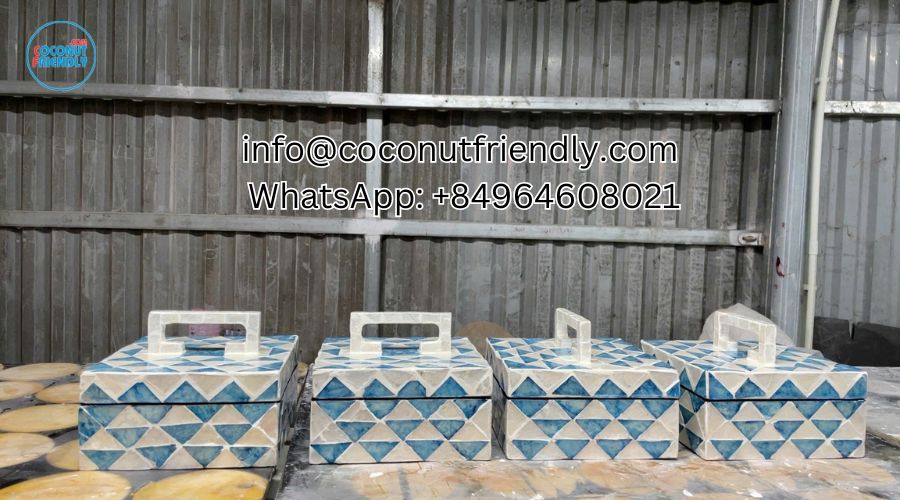
A handcrafted mother of pearl box priced at $120 may initially cause hesitation. However, dividing that cost over 20 years of use brings it down to just $6 per year. In that moment, the customer shifts from emotional reaction to logical evaluation. Consequently, resistance drops.
This method also repositions handcrafted souvenirs as investment-worthy gifts, not impulse purchases. Customers begin to associate the product with permanence, durability, and legacy. For gift buyers especially, this logic resonates strongly—they want their gift to remain meaningful long after the trip ends.
Luxury retail strategy relies heavily on this approach to justify premium materials, craftsmanship, and heritage. When applied correctly, it places mother of pearl products in the category of lifelong companions rather than seasonal souvenirs.
4.3 Highlighting Cultural Origin – Elevating the Product into Heritage
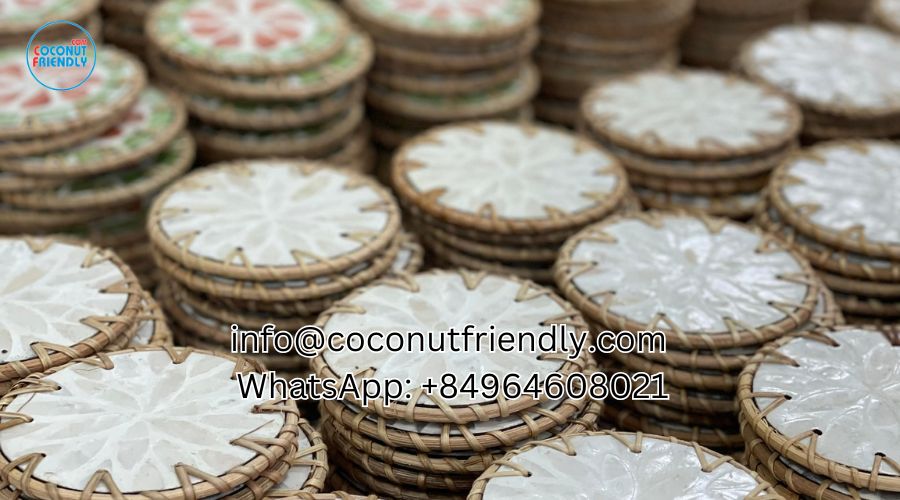
Cultural origin acts as one of the strongest value multipliers in handcrafted retail. When staff explain the Vietnamese heritage behind lacquerware and shell inlay, they immediately reposition the product—from a decorative item to a cultural artifact.
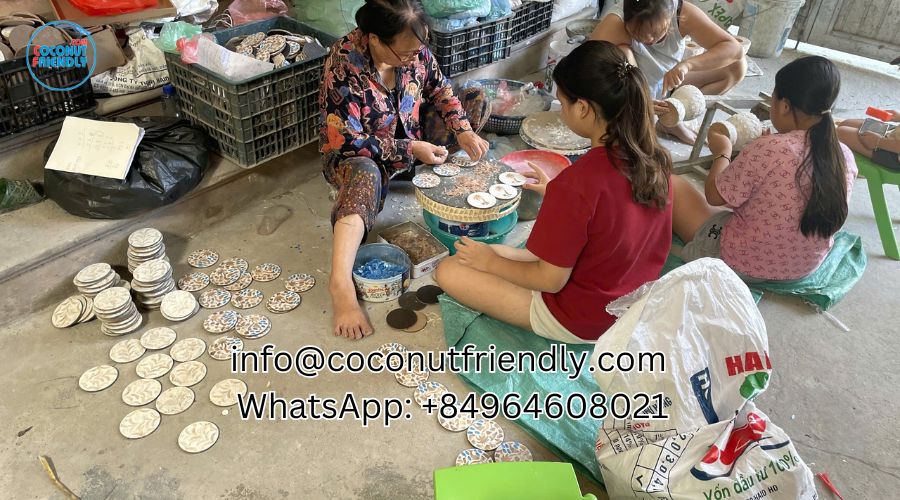
Mother of pearl inlay represents more than technique. It reflects centuries of accumulated knowledge. Artisans carefully source shells, prepare lacquer layers, and hand-inlay each fragment through a process that demands years of training and exceptional patience. As a result, the product carries both human skill and cultural continuity.
UNESCO-backed research confirms that products rooted in cultural heritage generate stronger emotional attachment and higher perceived value. Customers do not simply buy an object; they actively participate in preserving tradition. This sense of contribution builds pride of ownership rather than price resistance.
For souvenir shop owners, this approach empowers staff to sell with confidence. They replace negotiation with education. They stop apologizing for price and start explaining meaning. Consequently, price objections fade naturally.
5. Use Packaging and Presentation to Justify the Premium Price
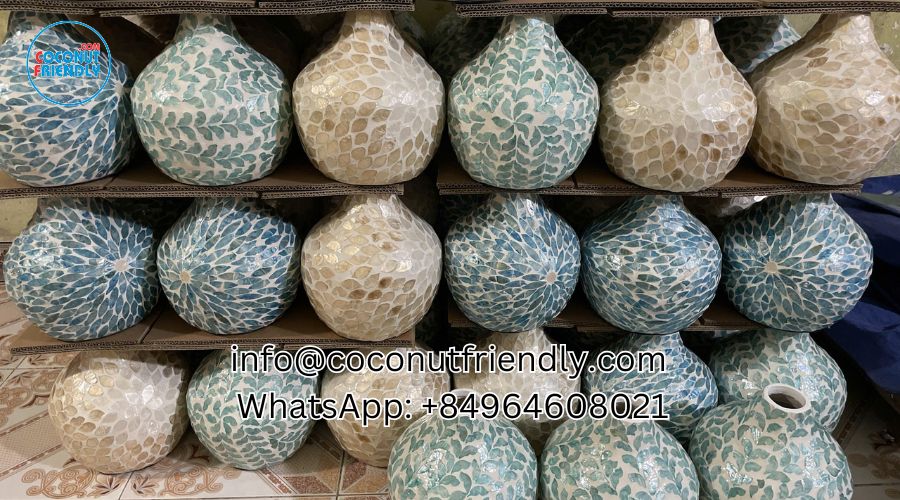
Handling Price Objections in Retail does not begin with conversation—it begins visually. Packaging and presentation silently set expectations before a word is spoken.
A premium box communicates intention. It tells the customer: this item is gift-worthy, travel-safe, and valuable. Consequently, the price feels justified before objections even arise.
Moreover, research from the Journal of Consumer Psychology shows that high-quality packaging increases willingness to pay, especially for handcrafted and luxury-adjacent products. Presentation reinforces care, effort, and respect for craftsmanship.
Coconut Friendly integrates packaging into its R&D and QC processes, ensuring protection, aesthetics, and brand consistency. When packaging aligns with product value, retail staff no longer need to defend the price—the product does it for them.
Get in touch with us today to discover our full range of products or to discuss wholesale opportunities. We look forward to a successful partnership!
- Coconut Friendly
- Email: info@coconutfriendly.com
- Tel/WhatsApp: +84 964 608 021
Explore our Products Collection for more choices!
